
Licensing and Insurance in Maine
Maine does not require a general contractor license the way some states do, which means virtually anyone can call themselves a carpenter or contractor. This makes your own due diligence more important, not less.
What you should verify before hiring anyone: general liability insurance and workers' compensation coverage. Ask for certificates of insurance and confirm they are current. If a worker is injured on your property and the contractor does not carry workers' comp, you could be held liable. This is not a hypothetical risk. It happens.
Also confirm that your contractor will pull any required building permits for the project. In many Southern Maine towns, permits are required for structural work, electrical changes, plumbing modifications, and additions. A contractor who suggests skipping permits to save time or money is a contractor you should avoid. Unpermitted work can create serious problems when you sell your home.
Questions That Reveal Quality
The questions you ask during the estimate process tell you a lot about who you are dealing with. Start with the basics: How long have you been in business? Can you provide references from recent projects similar to mine? Will you be doing the work yourself or using subcontractors?
Then dig deeper. Ask how they handle unexpected issues that come up during a project. Every experienced carpenter knows that older Maine homes hide surprises behind walls and under floors. The answer you want to hear involves clear communication, written change orders, and your approval before additional costs are incurred.
Ask about their typical project timeline and what factors could cause delays. A straightforward answer that acknowledges material lead times, weather, and the realities of renovation work is more trustworthy than a promise that everything will go perfectly.
Finally, ask who your day-to-day point of contact will be. On larger projects, the person who gives you the estimate may not be the person on site every day. Knowing who to call with questions keeps communication clean.
Understanding Estimates and Bids
Get at least two or three written estimates for any significant project. A good estimate is detailed. It breaks down materials, labor, and any subcontractor costs as separate line items. It specifies the scope of work clearly enough that you can compare it against other bids on equal footing.
Be cautious of estimates that are dramatically lower than the others. The cheapest bid often means one of three things: the contractor underestimated the scope and will hit you with change orders later, they plan to cut corners on materials or workmanship, or they are not carrying proper insurance and overhead costs. In all three cases, you end up paying more in the long run.
A reasonable estimate should also include payment terms. Standard practice is a deposit to secure the start date, progress payments tied to project milestones, and a final payment upon completion. Avoid any contractor who wants more than a third of the total cost up front before any work has started.
Red Flags to Watch For
Some warning signs should end the conversation immediately. A contractor who cannot provide proof of insurance, refuses to put the scope of work in writing, or pressures you to sign a contract on the spot is not someone you want working on your home.
Other red flags are subtler. Watch for contractors who are vague about timelines, dismissive of your questions, or unwilling to provide references. Pay attention to how they communicate during the estimate process, because that is the best version of their communication you will see. If they are hard to reach before the project starts, it will only get worse once work is underway.
Be wary of anyone who shows up without measuring carefully or who gives you a quote over the phone without seeing the project in person. Every home is different, and accurate pricing requires an on-site visit.
Trust your instincts. You are inviting this person into your home, sometimes for weeks or months. If something feels off during the initial meetings, it is better to keep looking.
Getting the Scope Right
A clearly defined scope of work protects both you and your contractor. It should describe exactly what is being done, what materials are being used, and what the finished result will look like. It should also state what is not included, which prevents misunderstandings later.
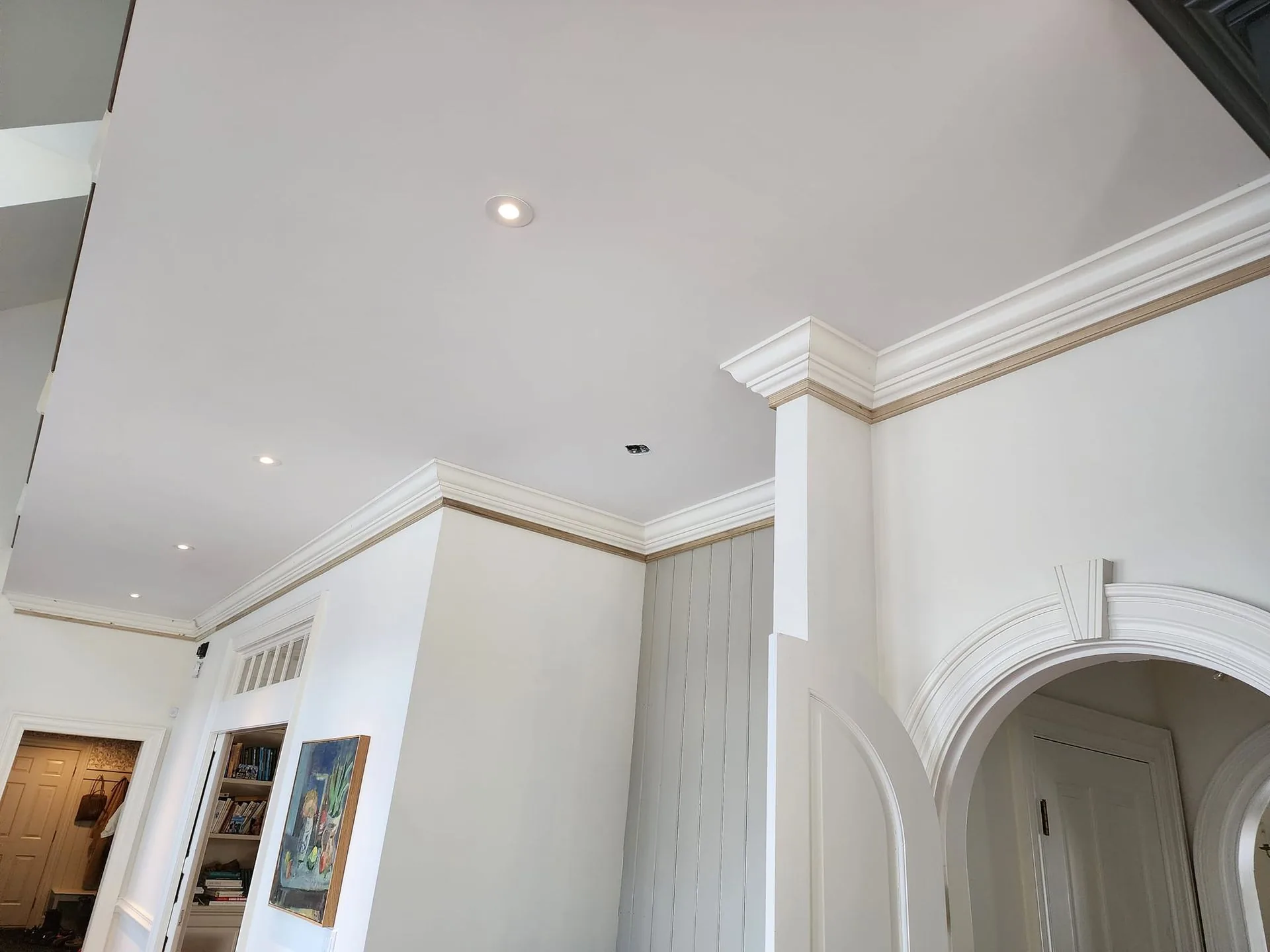
For example, if you are having trim work done in a room, the scope should specify whether that includes removing and replacing existing trim, the species and profile of the new material, whether painting or staining is included, and how transitions to adjacent rooms will be handled.
Take time to discuss the scope thoroughly before signing anything. Ask your contractor to walk you through the project step by step. The more detail you hash out up front, the smoother the project runs and the fewer surprise conversations you have along the way.
A skilled carpenter will actually appreciate a detailed scope. It means you have thought through what you want, which makes their job easier and the final result more likely to match your expectations.
Have Questions About Your Project?
We are happy to share our expertise. Reach out any time.